Make It Yours: The Rising Art of Yeezy Slides Customization and Where to Start
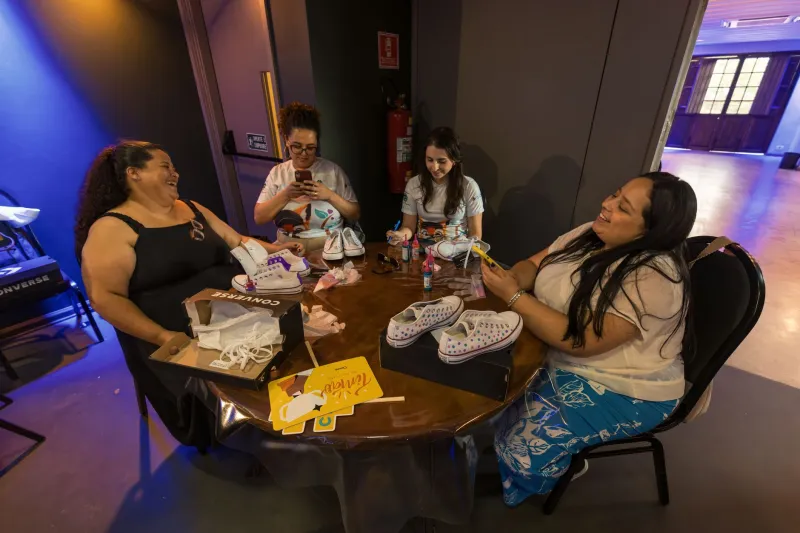
There's a moment that every Yeezy Slides customizer describes the same way. You're holding a brand-new pair, and instead of seeing what's there, you start seeing what could be there. That mental shift — from consumer to creator — is exactly what's driving one of the most exciting underground movements in sneaker culture right now.
Customization has always existed at the edges of sneaker culture, but something has changed in the last couple of years. The community around Yeezy Slides modifications has exploded, fueled by accessible materials, a surge of tutorial content online, and a growing appetite for footwear that reflects individual identity rather than a production run. The result is a thriving creative ecosystem that's turning a foam slide into something closer to a canvas.
Why Yeezy Slides Are Perfect for Customization
Not every sneaker lends itself to modification. Complex construction, delicate materials, and intricate colorways can make customization more destructive than creative. Yeezy Slides sidestep most of those obstacles.
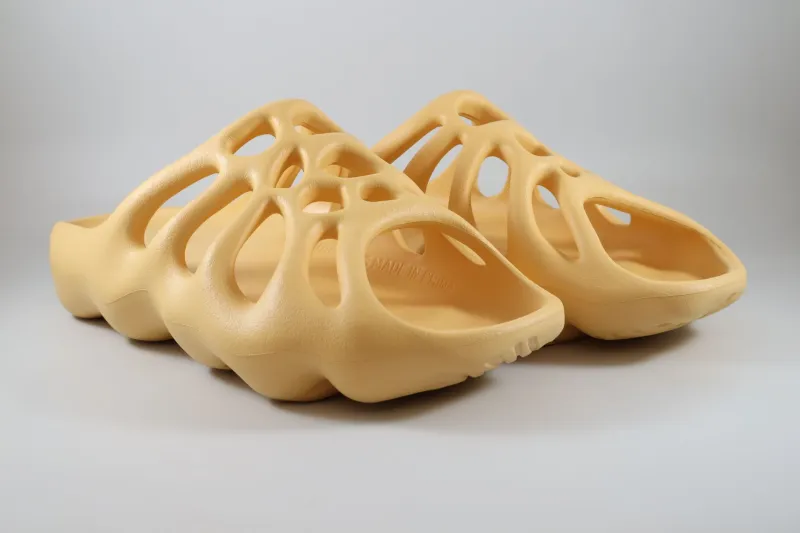
The single-piece EVA foam construction is both the slide's greatest design achievement and its most modifier-friendly feature. There are no seams to worry about, no overlays to protect, and no laces to work around. The surface is smooth, consistent, and — crucially — receptive to a wide range of modification techniques. Dyes bond well to the foam. Embellishments adhere cleanly. The strap can be cut, shaped, or replaced without compromising the structural integrity of the footbed.
The slide's minimalist silhouette also gives customizers a clean starting point. You're not working against a busy design — you're adding to something intentionally simple. That's a gift.
Dyeing: The Most Accessible Entry Point
If you're new to customization, fabric and foam dyeing is the place to start. The process is forgiving, reversible to a degree, and capable of producing genuinely striking results without requiring specialized equipment.
The community favorite for Yeezy Slides dyeing is iDye Poly, a synthetic fabric dye that bonds well with EVA foam. The basic process involves mixing the dye according to package instructions, submerging the slide (or painting the dye on with a brush for more control), and heat-setting the color with hot water.
A few things to keep in mind before you start:
- Always test on a sacrificial pair or a small inconspicuous area first. Dye absorption varies slightly between colorways and production runs.
- Lighter base colorways (Bone, Pure, Resin) give you the most flexibility. Darker bases will limit how dramatically you can shift the color.
- Gradient effects — where one color transitions into another — are achievable with patience and a brush-on application technique. These tend to be among the most sought-after looks in the community.
- Sealing the dye with a foam-safe finisher after the process is complete helps lock in color and prevent bleeding over time.
Embellishments: From Subtle to Statement
Once you're comfortable with the surface of the slide, embellishments open up an entirely different dimension of customization. The community has experimented with everything from subtle rhinestone clusters to full sculptural additions, and the range of what's possible is genuinely impressive.
For beginners, rhinestone application is a great starting point. A strong adhesive (E6000 is the community standard), a pair of tweezers, and a few hours of patience can transform a plain strap into something that catches light in ways the original design never could. Simple patterns — geometric lines along the strap edges, scattered clusters across the footbed — are achievable without any prior craft experience.
More advanced customizers have been experimenting with resin casting and sculpting — adding three-dimensional elements directly to the foam using lightweight materials that don't compromise wearability. Custom charms, abstract sculptural forms, and even small painted scenes have all appeared in the community's work.
The key principle across all embellishment work: weight distribution matters. Heavy additions concentrated in one area of the slide can affect how it sits on your foot. Keep modifications balanced, and test wearability before considering any piece finished.
Strap Modifications: The Most Structural Change
This is where customization gets more advanced — and more rewarding. The strap is the most visually dominant element of the Yeezy Slide silhouette, which means modifying it creates the most dramatic visual impact.
Some customizers have experimented with thinning the strap — carefully removing material to create a sleeker, more delicate profile. This requires a sharp utility knife, a steady hand, and a clear understanding that this modification is irreversible. Done well, it creates a slide that reads almost like a different silhouette entirely.
Others have gone in the opposite direction, adding material to the strap — wrapping it in leather, fabric, or rope to create texture and visual interest. Leather wrapping in particular has become a popular technique, producing results that blur the line between athletic footwear and artisan craft.
For those not ready to cut into their slides, strap overlays — thin decorative pieces that sit on top of the existing strap without permanent attachment — offer a reversible way to experiment with the silhouette.
The Community Behind the Movement
What makes the Yeezy Slides customization scene genuinely special isn't any individual technique — it's the culture of sharing and collaboration that surrounds it. Instagram and TikTok are full of creators posting their process, not just their finished products. Tutorial threads on Reddit's sneaker customization communities break down techniques in granular detail. Discord servers dedicated to foam modification have become surprisingly active.
This openness is meaningful. In a sneaker culture that can sometimes feel gatekept and exclusive, the customization community operates on a different set of values. Knowledge gets shared freely. Beginners get encouragement. And the measure of status isn't how much you spent — it's what you made.
That ethos reflects something important about where sneaker culture is heading more broadly. Passive consumption — buying what the brand releases and wearing it as-is — is increasingly just one option among many. Active ownership, where you take what you've bought and make it genuinely yours, is becoming a legitimate and respected alternative.
Getting Started: Your First Customization Checklist
Ready to jump in? Here's what you need to get started without overcomplicating it:
- A pair of Yeezy Slides in a light colorway (Bone or Pure are ideal for first projects)
- iDye Poly in your chosen color (available at most craft stores and online)
- Foam-safe sealant (Angelus makes a widely trusted option)
- E6000 adhesive if you're planning any embellishments
- Nitrile gloves — dye stains hands quickly and thoroughly
- Patience — seriously, this is the most important item on the list
Start simple. A single-color dye job on a Bone pair is a satisfying first project that teaches you how the material responds before you attempt anything more complex. Document your process. Share it with the community. And remember: the goal isn't perfection. It's expression.
The slide was already a statement. Now it can be your statement.